Is Raffia Bag Durable? How to Care for Raffia Bags?
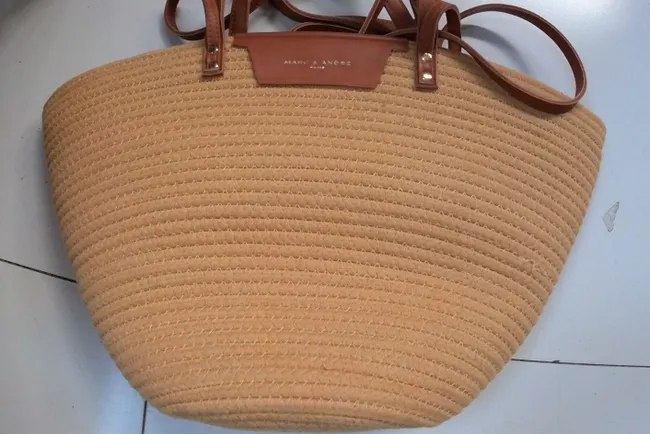
A Raffia Bag is a bag made from raffia. The raffia fibers are long and soft, and through traditional hand weaving, they can be transformed into bags with unique textures and natural grain patterns.
Raffia bags are lightweight and durable, suitable for daily shopping, beach outings, or summer outfits; their natural original color or plant-dyed appearance exude a refreshing rural atmosphere.
With the rise of sustainable fashion concepts, raffia bags have gained popularity due to their use of natural or eco-friendly materials, becoming fashionable items that combine beauty, practicality, and environmental value.
This post will explore the characteristics of raffia bags and how to care for and clean them.
What Is Raffia Bag?
The raffia bag is a handbag made from the leaf fibers of the palm tree. This natural fiber is widely used in tropical regions such as Madagascar and Africa, and has traditionally been used to make baskets, hats and other handicrafts. It is a classic representative of the “resort style” and “boho chic” in the fashion field, and is popular due to its sustainable, lightweight and breathable handmade texture.
The Main Features of A Raffia Bag:
Natural Material
Raffia fiber is biodegradable and renewable, extracted from the leaves of the raffia palm. This environmental characteristic meets the growing demand for sustainable fashion and attracts environmentally-conscious consumers.
Lightweight and Durable
Despite its exquisite appearance, the raffia bag is exceptionally sturdy and lightweight. They can withstand significant weight and are suitable for daily use, whether for shopping, carrying essentials, or as a fashionable accessory.
Diverse Styles
Raffia bags come in a wide range of designs, from casual handbags and market bags to more structured handle styles and elegant evening clutch bags. They can be decorated with exquisite patterns, bright colors, or luxurious embellishments to meet the needs of different tastes and occasions.
Breathable and Comfortable
The natural weaving of raffia fiber promotes air circulation, keeping the contents cool and preventing moisture buildup. This makes raffia bags particularly suitable for warm weather or outdoor activities.
Eternal Charm
Raffia bags have a relaxed, bohemian-style charm that is not affected by seasons or trends. They can be perfectly matched with various clothing, whether it’s casual jeans and T-shirts or more formal linen suits, adding a natural elegance.
Core Differences from Bags Made of Other Materials
| Characteristic Dimension | Raffia Bag | Cowhide Leather Bag | Plant/Mushroom Leather Bag |
| Core Material | Natural plant fiber (raffia palm leaf) | Animal leather (cowhide) | Bio-based or plant-based cultivated materials |
| Main Features | Lightweight, breathable, with a hand-woven texture; casual, seasonal style | Sturdy, durable, with a premium leather feel; develops a unique patina with use | Leather-like appearance, primarily promotes eco-friendly and vegan concept |
| Durability | Moderate; sensitive to water and heavy pressure, requires careful maintenance | Very strong, especially top-tier full-grain leather, with a long lifespan | Medium; most still fall short of high-quality animal leather in long-term durability |
| Seasonality | Strong; primarily designed for spring/summer and resort occasions | Weak; classic styles are suitable for year-round use | Weak; designs usually aim for year-round suitability |
| Weight | Very lightweight | Relatively heavier, with a substantial feel | Typically quite lightweight |
Pros & Cons of Raffia Bag
| Pros | Cons |
| 100% natural & biodegradable (sustainable) | Not water-resistant (absorbs moisture, can warp/stain) |
| Extremely lightweight & comfortable to carry | Prone to fraying if snagged; hardware may rust |
| Unique, bohemian/coastal aesthetic | Less structured than leather; may lose shape over time |
| Blends seamlessly with affordable luxury design | Seasonal (primarily summer/resort wear, less versatile for cold weather) |
Application Scenarios
- Summer/Vacation Collection: Beach trips, vacation relaxation, brunches, outdoor activities (suitable for beach/sun environment).
- Casual Daily Wear: Weekend shopping, coffee shopping, park visits (paired with sun skirts, jeans, linen products).
- Formal Semi-Workwear: A handbag with leather decorations, featuring reed weaving, is suitable for carrying laptops/notes and adds summer charm to the office look.
Popular Affordable Luxury Raffia Bag Examples
- Longchamp Le Pliage Raffia: Foldable tote with raffia body + leather trims, iconic Le Pliage silhouette ($250–$350).
- Tory Burch Miller Raffia Tote: Spacious woven raffia with leather logo accents ($398–$498).
- Staud Moon Raffia Bag: Structured mini crossbody with retro woven design ($350–$450).
Is Raffia Bag Durable?
The raffia bag has a certain degree of durability, but it is “conditionally durable”. Compared with materials such as cowhide and canvas, its durability is relatively weak, and it highly depends on the correct usage and maintenance methods.
Compare with Other Materials
| Material | Core Durability Traits | Main Weaknesses | Ideal Use Cases |
| Raffia | Conditionally Durable: The woven structure has some resilience but is generally fragile. | Water-sensitive (easily deforms, mildews), cannot bear heavy loads (permanent dents), snag-prone (fibers break easily). | Seasonal, light-carry daily or resort occasions. |
| Cowhide Leather | Structurally Durable: Dense fibers offer excellent abrasion and tear resistance. | Fears prolonged sun exposure (causes drying/cracking), requires regular maintenance. | Year-round, long-term use, or situations requiring heavier loads. |
| Canvas | Functionally Durable: Abrasion and tear-resistant, often with waterproof treatments. | More casual aesthetic, can get dirty easily. | High-frequency practical use: casual, commute, travel. |
| Plant-Based/Synthetic Leather | Moderately Durable: Good scratch resistance, but prone to cracking/peeling at long-term stress points. | Eco-versions may have slightly lower longevity. | Daily use where a specific look or eco-ethos is prioritized. |
Material Characteristics: The Strong Foundation of Natural Fibers
Raffia (also known as palm leaf fiber) is extracted from the leaf sheaths of the Raffia palm trees in Madagascar. Its physical properties provide a natural advantage in terms of durability:
- High strength and elasticity: The tensile strength of raffia fibers is close to that of linen, and they have elasticity, which can resist a certain degree of pulling and deformation. For example, hand-woven raffia bags do not tend to break when carrying daily items such as mobile phones, wallets, and cosmetics.
- Anti-wearability: The surface of the fibers is smooth, with a low friction coefficient, and they are less likely to shed fibers or become damaged after long-term use. Compared to straw bags, raffia bags are more resistant to wear and have a longer lifespan.
- Lightweight: The fiber density is low, making the bag lightweight and reducing the risk of fiber fatigue and breakage due to self-weight.
Process Design: Strengthening Durability through Weaving Structure
The durability of the raffia bag not only depends on the material, but also stems from the optimization of the weaving process:
- Compact Weaving Structure: During manual or mechanical weaving, the density of fiber intersections is high, forming a dense mesh structure, which enhances the bag’s ability to resist tearing. For example, the circular raffia bag uses a ring-shaped weaving technique to maintain its shape stability and reduce the risk of deformation.
- Edge Reinforcement: The areas prone to wear and tear, such as the bag opening and handles, often adopt double-layer weaving or edge protection designs, extending the service life. Some brands also embed leather or metal accessories in the handles to distribute pressure.
- Functional Design: Features such as inner zipper pockets and waterproof coatings not only enhance practicality but also indirectly protect the raffia fibers from moisture or damage caused by sharp objects.
The specific weaknesses and maintenance tips for Raffia Bags:
Due to its natural plant fiber properties, raffia bags require special attention in the following aspects:
- Extremely sensitive to water: Absolutely not suitable for machine washing or soaking. If water gets on it, it should be immediately dried with a dry cloth and left to air dry in a cool and ventilated place; otherwise, it is very likely to cause the fibers to become loose, deformed or moldy.
- Limited load-bearing capacity: Not suitable for carrying heavy items (such as laptops, large quantities of books), otherwise the bottom of the bag and the handle are prone to deformation or breakage.
- Fear of sharp objects: Easily hooked by keys, pen tips, etc., causing the fibers to be pulled out or broken.
- Storage requires attention: When not in use, fill it with acid-free paper and store it in an airtight dust-proof bag in a dry and shaded place to prevent moisture or fiber brittleness.
Comparison Case: Insights from Durability Differences
- High-quality Raffia Bag: For example, a handmade circular bag from a certain brand, which uses double-layer weaving technique and has a leather handle. After testing, it can hold 5 kilograms of items without significant deformation, and remains intact without any damage for more than 3 years of normal use.
- Low-quality Raffia Bag: A low-priced product due to improper fiber treatment (such as not removing the glue), shows fiber breakage after 3 months of use, and the sparse weaving results in a loose bag body.
Key Tips for Extending Raffia Bag Lifespan
- Avoid excessive weight: It is recommended that the load should not exceed 1 kilogram. Avoid excessive force on the bottom and handle areas.
- Waterproof treatment: Although raffia has some waterproof properties, it should be immediately dried with a dry cloth after getting wet to prevent deformation caused by prolonged dampness.
- Sun protection storage: Avoid prolonged exposure to direct sunlight. Intense sunlight can cause the pigment of the grass fibers to oxidize, causing the bag to fade and become brittle.
- Regular cleaning: Use a soft-bristled brush to remove dust. For stubborn stains, you can apply a small amount of neutral detergent with a cotton swab and let it dry.
- Correct storage: When not using for a long time, clean the bag and store it in a cool and dry place. You can stuff it with padding inside to maintain its shape.
Suggestions for Selecting High-Quality Raffia Bags
- Verify the material source: The genuine Madagascar Raffia has a natural color, clear fibers, and a smooth texture.
- Check the weaving process: High-quality raffia bags are woven tightly and evenly, with no obvious burrs or loose areas.
- Pay attention to brand craftsmanship: Brands like Prada and Loewe have processed raffia bags with special techniques, making them more durable.
- Price reference: Truly high-quality raffia bags are expensive. Products that are too cheap may use substitute materials.
Raffia vs. Straw: A Side-by-Side Comparison
| Feature | Raffia Bags | Straw Bags |
| Tensile Strength | 20-30 lbs capacity | 10-15 lbs capacity |
| Water Resistance | Waxy coating repels moisture | Absorbs water, prone to rot |
| Flexibility | Bends without snapping | Rigid, cracks easily |
| Average Lifespan | 2-5 years (with care) | 6-18 months |
| Maintenance | Easy to wipe clean | Requires gentle brushing |
How to care for raffia bag?
The core principles for maintaining a raffia bag are: keep it dry, avoid heavy pressure, and clean it gently. As a natural plant fiber, it is very “precious”. Correct maintenance can significantly extend its service life.
Daily Cleaning and Maintenance Steps
Daily Dust Removal: Use a dry soft-bristled brush (such as a makeup brush or cleaning brush) to gently brush away dust and debris along the weaving texture.
Handling Stains:
For small local stains, use a slightly damp cotton cloth or soft cloth (make sure to wring it out until almost dry) and gently press on the stain area.
Avoid rubbing back and forth forcefully to prevent the stain from spreading or damaging the fibers.
After cleaning, immediately use a dry cloth to absorb the moisture and place it in a ventilated and cool place to dry thoroughly. Do not use a hair dryer or heater to dry it.
Maintaining Shape: When the bag is not in use, fill the interior with clean white acid-free paper or breathable cotton cloth to help maintain the original shape and prevent flattening or deformation.
Correct Storage
Place the filled bag in a breathable cotton dust-proof bag (avoid using sealed plastic bags to prevent heat and mold). Store it in a cool, dry, and shaded cabinet, away from damp and high-temperature environments. You can place desiccant there.
Avoid being compressed by other items for a long time.
Moisture-proof Treatment
Rain/Liquid: Hemp fabric has natural water resistance, but it is not completely waterproof. Avoid heavy rainfall and liquid spills.
If damp: Immediately wipe with a soft absorbent cloth. Do not use heat sources (such as hair dryers) for drying.
Let it air dry naturally, away from direct sunlight and heat sources. During the drying process, fill with clean, dry white paper towels to maintain shape.
Insect Prevention Measures
Reason: Moths and other pests may damage natural fibers like Raffia. How to prevent insects:
Store the bags together with cedar balls or lavender sachets. These natural insect repellents work very well.
Do not use camphor balls, as they give off a strong smell and may be harmful if inhaled.
Avoid exposure to sunlight and high temperatures.
Exposure to strong sunlight for a long time can cause the natural reed fibers to dry out and fade.
Do not place it in a hot car, near the radiator, or in a humid environment (such as a bathroom).
When not in use, please store it away from windows.
Important Cleaning No-Nos
❌ Do not use the washing machine / wash by hand, soak or rinse
❌ Do not use bleach, stain cleaners or irritating cleaning products
❌ Do not rub or scrub (only wipe gently / blot dry)
❌ Do not use a hair dryer, heater or direct sunlight for drying (this will cause brittleness / deformation)
Core Care Don’ts (Never Do These)
| What Not to Do | Reason & Consequence |
| Exposure to water or liquids | Fibers absorb moisture, leading to relaxation, permanent deformation, fading, or even mold. |
| Machine washing, soaking, or steam cleaning | Aggressive water flow and treatment can completely destroy the woven structure. |
| Sun exposure or proximity to heat sources | Causes fibers to become brittle, dry out, break, and fade severely. |
| Carrying overly heavy items | The bag body can stretch, the base may sag, or handles can break, often irreversibly. |
| Friction against rough surfaces or snagging | Surface fibers can be pulled out, become fuzzy, or break. |
Special Considerations for Different Raffia Types
- Natural raffia: requires the most careful handling; avoid all chemical treatments.
- Coated raffia: may tolerate slightly more moisture but still requires gentle care.
- Raffia blends: if blended with synthetic fibers, may have slightly different care requirements.
Practical Tips
- Use during rainy season: Try to avoid using during rainy days. If a small amount of rainwater gets on it, immediately use the method mentioned in “Handling Stains” to absorb and thoroughly dry it.
- Odor Removal: If there is a slight odor, you can put a few small packets of dry activated carbon or baking soda inside the bag to help absorb moisture and odor.
- Fixing Minor Defects: If there are a few loose fibers, use a small pair of scissors to trim them off very carefully. Do not pull them out.
Emergency Handling for Common Issues
| Situation | Emergency Response |
| Snagged Fiber | Carefully push the fiber back into place with a fine needle, or use the tip of small scissors to apply a tiny amount of fabric-specific glue to secure it. |
| Slight Dampness | Immediately blot dry with a cloth, use a hairdryer on a cool, low setting at a distance, and allow it to air dry completely. |
| Mold | Gently brush the mold spots with a soft brush dipped in a small amount of rubbing alcohol, which evaporates quickly and disinfects, then let it dry thoroughly. |
Natural vs. Synthetic Raffia: Care Comparison
| Feature | Natural Raffia | Synthetic Raffia |
| Origin | Palm tree fiber (Madagascar, etc.) | Polypropylene, viscose, or recycled plastic |
| Durability | Low – best for occasional use | Medium to high – more resilient |
| Water Resistance | Very poor | Moderate |
| Lifespan | 1–2 seasons (with care) | 3–5+ years |
| Eco-Impact | Biodegradable, renewable | Not biodegradable (but often recyclable) |
How to Clean Raffia Bag?
The core principle followed in cleaning a raffia bag is: first, perform dry cleaning; for stubborn water stains, only mild wet cleaning can be used – raffia is a fragile natural plant fiber. If it is soaked, wiped, or exposed to strong acids or strong alkalis, it will cause the fibers to wear out, deform or fade. All cleaning steps must be carried out in the direction of the weaving to avoid damaging the fibers, and do not rub or twist the material.
Different Cleaning Methods
1. Daily Dusting (Dry Cleaning)
- Tools: Dry soft-bristled brushes (such as makeup brushes, cleaning brushes).
- Method: Gently brush the surface dust in the direction of the weaving texture. This is the safest and most recommended daily cleaning method.
2. Dealing with Local Stains (Wet Cleaning)
This is the step that requires the most caution and is only used for small stains.
Tool Preparation: A clean white cotton cloth (avoid color bleeding), a small amount of cold water or room temperature water, and if necessary, a drop of mild soap solution (such as castile soap). Operation steps:
- After soaking the cloth, squeeze it dry until it almost doesn’t drip water.
- If necessary, apply a small amount of mild soap on the cloth.
- Gently press or wipe the stained area in one direction. Never rub back and forth forcefully.
- Immediately use the dry other part of the cloth to absorb the moisture from the clean area.
3. Dealing with Stubborn Stains or Mold Spots
For stubborn stains or mold spots that are difficult to remove, the safest approach is to consult a professional leather or luxury goods care store. They have the expertise and tools to handle such issues specifically.
For minor mold spots, use a cotton swab to dip in a small amount of medical alcohol (isopropyl alcohol). Gently dab it on the spot. Alcohol evaporates quickly, is bactericidal, and does not leave any residual moisture. After treatment, make sure to thoroughly dry it.
Specific Stain Removal Methods
- Water-based stains (coffee, juice): Immediately use a dry cloth to gently pat the stain to absorb as much liquid as possible. Then follow the above gentle cleaning steps.
- Oil-based stains (oils, sunscreen): Sprinkle a small amount of cornstarch or talcum powder on the stain and let it sit for 2-3 hours to absorb the oil. Brush off the powder and then clean with a mild solution.
- Mold/fungal stains (caused by moisture): Mix equal parts white vinegar and water, apply the solution to the affected area, and let it sit for 10 minutes. Wipe clean with a damp cloth and dry thoroughly in a well-ventilated area.
Emergency Cleaning: If the raffia bag comes into contact with water (rainwater)
The damp raffia fabric will quickly deform and develop mold – the first step is to thoroughly absorb the moisture and maintain its shape, then proceed with cleaning:
- Use a dry absorbent towel/paper towel to gently pat the damp area (press firmly, do not rub), to absorb the excess moisture.
- Stuff the fabric into clean dry paper towels or white cotton towels to maintain its original shape (replace the paper towels/towels when they absorb water).
- Place the bag in a cool, well-ventilated place to allow it to dry completely (depending on the degree of dampness, it may take 24 to 48 hours) – do not heat, do not expose to direct sunlight, do not use a fan.
- After complete drying, use a soft dry brush to gently brush the fabric along the texture (in the direction of the grain), to restore its texture and loosen any stiff fibers.
If there are still stains after drying, follow the steps for water-based stains during drying (use only when necessary).
Important Cleaning Prohibition (Do Not Do This!):
- Do not machine wash, hand wash or immerse the bag in water – this will damage the fabric and permanently deform the bag.
- Do not use bleach, stain cleaners, laundry detergent or irritating cleaning sprays – they will damage the natural fibers of the Raffia fabric and cause color fading.
- Do not rub, scratch or distort the Raffia fabric – this will cause severe wear and tear to the fabric and lead to breakage.
- Do not use a hair dryer, heater or direct sunlight to dry the bag – this will make the palm fibers brittle, causing cracking and fading.
- Do not clean oily/ sticky stains (perfume, sunscreen, cosmetics, oils) – the palm fibers will permanently absorb the oil; these stains are almost impossible to remove (prevention is the only solution).
Summary of Targeted Stain Removal
| Stain Type | Solution |
| Water spots | Lightly mist entire surface with distilled water to even out, then dry naturally |
| Oil/Grease | Sprinkle cornstarch/baking soda, leave 12+ hours, brush off. Repeat if needed |
| Ink | Dab with cotton ball dipped in rubbing alcohol (test first! Can bleach) |
| Wine/Food | Blot immediately, then use mild soap solution. For red wine: salt paste (salt+water) |
| Mold/Mildew | Mix 1:1 white vinegar/water, dab affected area, sun dry (briefly for natural fibers) |
| Scuff marks | Gently erase with pencil eraser or melamine sponge (Magic Eraser) very lightly |
Natural vs. Synthetic Raffia: Cleaning Differences
| Type | Can You Use Water? | Recommended Cleaning Method |
| Natural Raffia | ❌ No | Dry brushing only |
| Synthetic Raffia | ✅ Sparingly | Light dabbing with damp cloth (if absolutely necessary) |
Quick Reference Chart
| Cleaning Level | Method | Frequency |
| Light | Dry brush + vacuum | Weekly/After use |
| Moderate | Damp cloth + mild soap | Monthly/Seasonal |
| Heavy | Spot treatment + deep clean | As needed |
| Professional | Specialist cleaning | For valuable items |
Notes:
- Material characteristics: Raffia is a natural plant fiber. It is relatively fragile and requires extra gentle handling during cleaning.
- Stain types: For stubborn stains such as oil stains or lipstick marks, you can first use corn starch or talcum powder to absorb the grease. Let it sit for several hours, then gently brush off the powder and proceed with regular cleaning.
- Professional care: If the bag is of high value or the stains are difficult to remove, it is recommended to send it to a professional leather care store for treatment to avoid further damage from self-operation.
- Regarding drying: After cleaning, the bag must be placed in a cool and ventilated indoor area to air dry naturally, away from direct sunlight, heaters, or heat sources such as hair dryers.
- Pre-test: Any cleaning agent (including water and soap solution) should be tested first on a small area on the inside or bottom of the bag that is not visible to ensure it does not cause discoloration or damage.
Conclusion
Choosing a raffia bag means choosing a relaxed, natural and holiday-inspired style. Raffia is a natural plant fiber, and the core of the care for raffia bags lies in moisture-proofing, pressure-resistance and sun-protection, in order to maintain its natural shape and toughness.
For the care of raffia bags, the storage environment is crucial. They should be placed in a dry and ventilated place, avoiding direct sunlight or humid conditions, to prevent the fibers from deforming or getting moldy. They can be placed in the original dust-proof bag or breathable cotton cloth bag to reduce dust attachment. Additionally, be careful to avoid friction damage. When storing, put the chains and metal accessories inside the bag to prevent scratching the surface; do not mix them with sharp items to reduce the risk of fiber breakage.
If you want to customize a batch of raffia bags, please feel free to contact us to discuss the details.